
Jump to a section
Capital on Tap will never call, text, or message you asking you to approve a payment, share a one-time passcode, or add your card to a phone wallet. If that happens, it's a scam. Fraudsters increasingly impersonate banks and financial providers by phone, text, WhatsApp and social media, and can even fake caller ID to look genuine. This blog covers the scam tactics to watch for, simple habits that keep your account secure, and exactly what to do if you think you've been targeted.
What to look out for
Scams targeting Capital on Tap customers can arrive by phishing email, a phone call or message impersonating us, or a fake ad posing as our website. Here's how to spot each one.
Watch out for phishing emails
Scammers may send emails designed to look like they are from Capital on Tap asking you to log in, update your information, or provide account and credit card details. Always double check the sender's email address, and never click on links from suspicious emails.
Beware of fraudulent calls and messages
Scammers may contact you by phone, text, WhatsApp, or social media, posing as Capital on Tap, your bank, or even the police. They can fake caller ID, so a call appearing to come from a genuine number isn't proof it's really us.
We will never ask you to:
-
Approve a payment (a common tactic in authorised push payment fraud)
-
Share a one-time passcode
-
Add your card to a phone wallet
-
Move money to a "safe account"
-
Hand your card to a courier
If you're pressured to act immediately, or any of the above happens, hang up or stop replying straightaway, then call us on 020 8962 7401 to check.
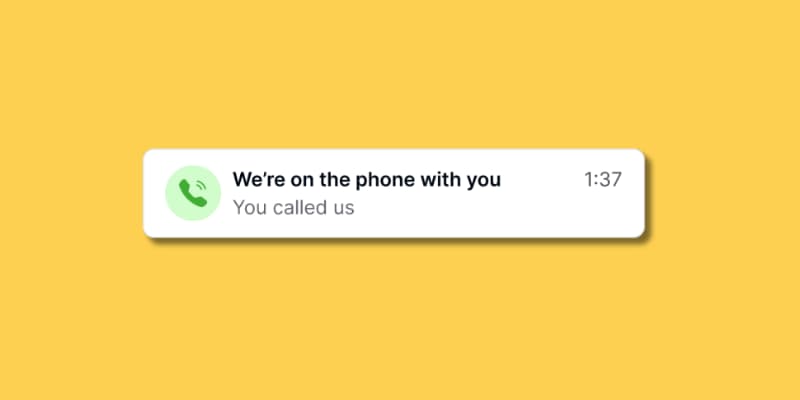
Not sure if a call is genuine? Check Active Call Status in the Capital on Tap mobile app.
Avoid online advertising scams
Be cautious of online ads in search engines (e.g. Google or Bing) that claim to be our official website. Always make sure you’re on our genuine website https://www.capitalontap.com/ before entering any information. Fraudulent websites will often ask for credit card information when signing in - something we never do.
Steps to stay protected
A few simple habits make it much harder for a scammer to succeed, even if you're targeted:
-
Never share sensitive information. Never provide your password, PIN or one-time passcodes. Our staff will never ask you for these details.
-
Verify communication. If you ever feel uncertain about any communication claiming to be from Capital on Tap, contact our customer support team on 020 8962 7401.
-
Monitor your account activity regularly. Review your account statements and transactions regularly. If anything seems amiss, contact us immediately.
If you suspect a scam
If you're contacted by someone you suspect is a scammer, remember to Stop, Challenge, Protect, the UK's national fraud prevention framework from Take Five to Stop Fraud:
-
Stop. Don't approve anything or share a code, PIN, or passcode. It's fine to take your time.
-
Challenge. It's OK to hang up, reject, or ignore. Only scammers create urgency.
-
Protect. Report it to us and to Action Fraud at actionfraud.police.uk.
Verify callers claiming to be from Capital on Tap
If you receive a call claiming to be from Capital on Tap, open your mobile app. You should see a banner indicating an active call is in progress if it's really us. If not, go to App Settings > Security and check your "Active Call Status". If there is no active call listed, hang up immediately - it's a fraudulent caller.”
Do not engage further with the scammer
Immediately end any further communication, whether it's by email, phone call, text message, or online chat. Do not provide any additional information.
Contact Capital on Tap customer support right away
Contact us by calling our team at 020 8962 7401 as soon as possible to report the suspected scam attempt. It's also worth reporting it to Action Fraud, the UK's national fraud reporting centre.
Protect your account
If you’ve already provided information, terminate your cards by logging into your account to help prevent any fraud.
The bottom line
We are always working on security measures to protect your information and will never hold you financially liable for losses as a result of a confirmed fraud scam. We also believe that informed customers are the best defence against these types of threats, so we encourage you to remain vigilant and always exercise caution when dealing with unsolicited communications. By working together we can stay a step ahead of fraud attempts and keep your financial data secure. If you want to learn more about different types of scams, you can read more here.
Frequently asked questions
What's the difference between vishing and phishing?
Phishing is a scam carried out by email, typically a fake message designed to look like it's from a trusted company, asking you to click a link or share details. Vishing is the same tactic over the phone, text, WhatsApp, or social media, where a scammer calls or messages pretending to be your bank, a company, or even the police, to get you to share information or approve a payment. Both rely on impersonation and urgency; the difference is the channel.
If a caller already knows some of my personal details, does that prove they're genuinely from Capital on Tap?
No. Scammers can buy personal data from previous breaches or scams, so knowing your name, account details, or recent transactions doesn't prove a caller is who they claim to be. If you’re unsure, always check Active Call Status in the Capital on Tap app.
Why report a scam to Action Fraud as well as to Capital on Tap?
Reporting to Capital on Tap lets us secure your account immediately. Reporting to Action Fraud, the UK's national fraud reporting centre, feeds into wider law enforcement data even after your case is resolved, helping build the picture that leads to scammers being caught.